
Welcome to the Brave New World of Menopause!
Introduction
Welcome to my blog, where I delve into the intersection of running and the menopausal journey. If you're a runner approaching or navigating through menopause, you've likely noticed some changes that aren't just about your pace or endurance. Understanding the hormonal fluctuations during this time is crucial, not only for maintaining your running performance but also for your overall well-being. So, let's lace up our shoes and explore these changes together.
Understanding Menopause
Menopause is not a sprint; it's more like a marathon with several phases. Pre-menopause is the period when everything is 'business as usual.' Your menstrual cycle is regular, and hormone levels are relatively stable. Perimenopause is when things start to change – typically beginning in your 40s, this phase can last several years leading up to menopause, which is the point when you haven't had a menstrual period for 12 consecutive months. Post-menopause follows, marking the time after menopause has occurred.
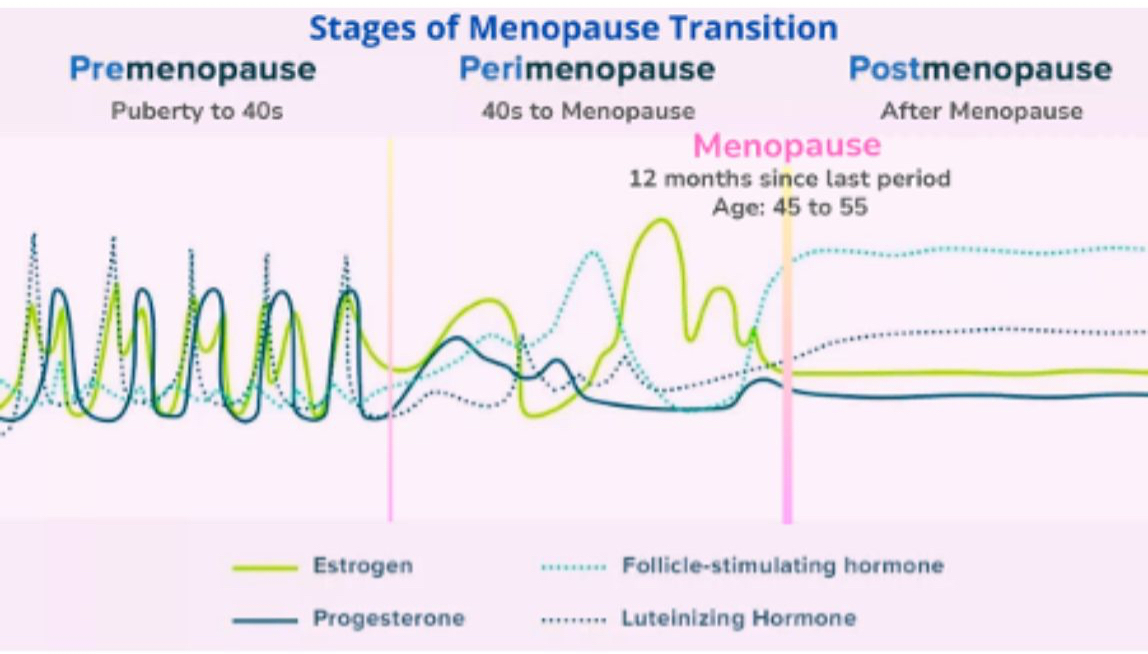
Each stage brings its own set of symptoms, ranging from irregular periods and hot flashes to mood swings and sleep disturbances. These symptoms are due to the fluctuating levels of hormones, which are depicted in the graph we've shared.
The Role of Hormones
Estrogen and progesterone are the headliners when it comes to female reproductive hormones. Estrogen is responsible for the thickening of the uterine lining and regulates the menstrual cycle, while progesterone balances estrogen and prepares the uterus for pregnancy.
Follicle-stimulating hormone (FSH) and luteinizing hormone (LH) are produced by the pituitary gland and regulate the ovaries' release of eggs, along with estrogen and progesterone production. As you transition from premenopause to perimenopause, estrogen and progesterone levels become more erratic, and you might notice that FSH and LH levels begin to rise.
Impact on Runners
For runners, these hormonal changes can be like running on an unpredictable trail. You might experience decreased muscle mass, reduced bone density, and a slower metabolism. Hot flashes can disrupt your training schedule, and mood swings can make it hard to stay motivated.
During perimenopause, the unpredictability of your menstrual cycle and hormone levels can lead to fluctuations in energy levels, affecting your running performance. Postmenopause, the lowered levels of estrogen and progesterone can also impact recovery times, making it harder for your body to bounce back after a long run.
Strategies for Runners
Adapting your training might mean shorter runs or more low-impact activities like swimming or cycling to complement your running. Recovery becomes more important than ever – think more rest days and perhaps incorporating yoga or meditation to help manage stress and improve sleep quality.
Nutrition also plays a pivotal role. Eating a balanced diet rich in calcium and vitamin D supports bone health, while foods high in antioxidants can help manage inflammation. It might also be beneficial to work with a nutritionist to ensure you're getting the right balance of macronutrients for energy and muscle maintenance.
Strength training and flexibility work can help counteract the loss of muscle mass and bone density. Weight-bearing exercises are particularly important for maintaining bone health, while stretching and mobility work can prevent injuries and keep you running smoothly.
Wellness and Self-Care
Taking care of your mental health is as important as your physical health. Hormonal changes can contribute to mood swings and depression, so it's important to find coping strategies that work for you. This might include talking to a therapist, practicing mindfulness, or joining a support group. Remember, you're not alone on this journey, and sharing experiences with others can be incredibly validating and empowering.
It's also a time to embrace self-care. This can mean different things for different people: taking time for a hobby, ensuring you get enough sleep, or treating yourself to a massage. Self-care is about doing things that make you feel good, both inside and out.
Community is another crucial aspect of navigating menopause as a runner. Connecting with other runners who are going through similar experiences can provide a sense of camaraderie and support. There are plenty of online forums and local running clubs that focus on women's health where you can share tips, training advice, and encouragement.
Alternative therapies such as acupuncture, herbal supplements, or yoga can also offer relief from menopausal symptoms for some women. These should be considered as complementary to traditional medical advice, and it's always best to consult with a healthcare provider before starting any new treatment.
For those who experience severe symptoms, hormone replacement therapy (HRT) might be an option. HRT can help balance hormone levels and alleviate some of the discomfort associated with menopause. However, it's important to discuss the risks and benefits with your doctor, as HRT isn't suitable for everyone.
Training Adaptations for Menopausal Runners
As your body changes, so too might your training needs. Listen to your body and be flexible with your running schedule. On days when you feel energetic, take advantage of it. On days when you don't, it's okay to rest or opt for a gentler form of exercise.
Hydration and cooling strategies become even more important as hot flashes and night sweats can lead to dehydration. Wear breathable, moisture-wicking fabrics and plan your runs during cooler parts of the day if possible.
Consider tracking your symptoms along with your running log. This can help you identify patterns and make adjustments to your training routine. For instance, you might find that your energy levels are higher in the morning, making it a better time for your runs.
Menopause and Injury Prevention
As estrogen levels decline, so does collagen production, which can affect the health of your joints and ligaments. This means that injury prevention should be a top priority. Ensure you're warming up properly before runs and cooling down afterward. Incorporate exercises that strengthen the muscles around your joints, particularly the hips, knees, and ankles.
The Mental Game
Menopause can be as much a mental challenge as a physical one. It's a time of significant change, and it's normal to feel a range of emotions about these changes. Keeping a positive mindset and setting realistic goals can help you stay motivated. Celebrate your achievements, no matter how small they may seem.
Long-Term Health Benefits
While menopause can bring its share of challenges, staying active through running can have numerous long-term health benefits. Regular exercise helps maintain a healthy weight, reduces the risk of chronic diseases such as heart disease and diabetes, and can improve mental health by reducing anxiety and depression.
Conclusion
Menopause is a natural part of aging, and while it can present challenges for runners, it also offers an opportunity to learn more about your body and what it needs. By understanding the hormonal changes that occur, adapting your training and self-care practices, and seeking support when needed, you can continue to enjoy running and maintain your health and well-being.
We're in this together, and I hope this blog serves as a starting point for conversations, questions, and community building. Please share your experiences, tips, and stories in the comments below. Let's empower each other to keep running strong through menopause and beyond.
Remember, every run is a victory, and every step forward is progress. Happy running!
